
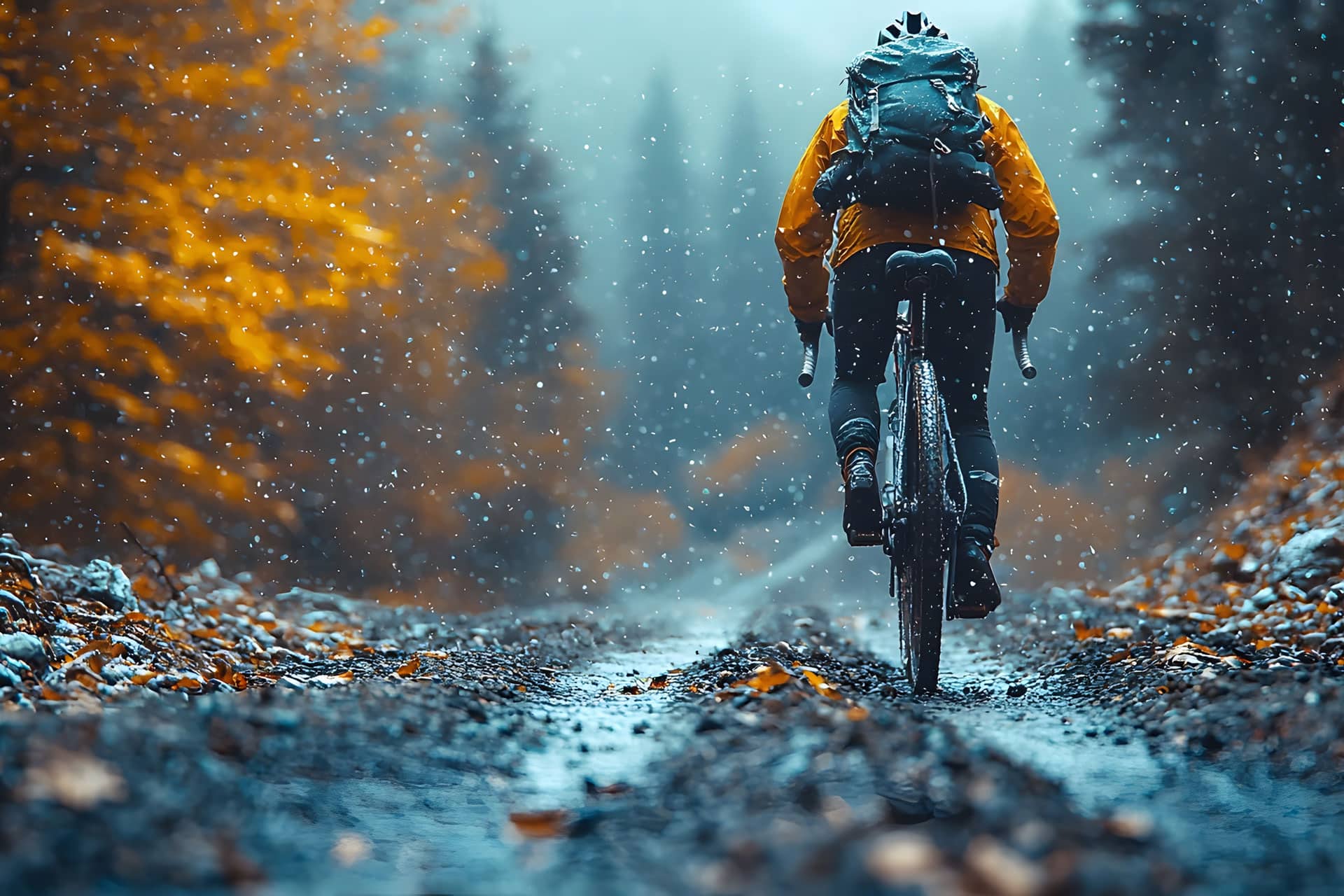
In winter, the bike doesn't just get dirty: water, mud and road residues create a fine paste that sticks between chain and sprockets, settles on pulleys and can contaminate braking. The typical result is a noisier transmission, less precise change and components that are consumed earlier than expected.
The most important part is the "timing": dirt is much easier to remove when it's still wet. If you let it dry, it becomes more abrasive and requires more aggressive interventions, with more risk of error (for example insisting too much with water jets or unsuitable products).
One point worth paying attention to is the pressure of water. A gentle rinse is fine; a jet too close can push water and dirt inside hubs, central movement and steering series. You don't always notice it right away, but in the long run it can anticipate noises and games.
After cleaning, the drying is the passage that many jump. In winter the humidity remains for a long time in the points (chain, derailleur, screws, cavities of the frame). Even just a cloth and a few minutes of care reduce much oxidation and creaking.
On the lubrication, the most common error is to think that "more oil" = better. Actually the objective is to lubricate inside the chain: the excessive catch dirt and accelerate wear. In practice, after applying the lubricant, it is always advisable to pass a cloth on the chain to remove the external excess.
One last note on the brakes: if you hear whistles after maintenance, it is often not normal. It can indicate contamination (spray or finished oil where it does not have to) or residues on the discs/pastilles. In that case you need targeted cleaning, otherwise braking remains inconsistent.
A simple winter routine (without exaggerating)
- light rinsing and mud removal
- Bike cleaner + brushes on transmission (chain, cassette, pulley)
- Accurate drying (cloth + a few laps of foot)
- All-weather or wet lubrication (a little product, then cloth)
- Fast disk control: no grease, no spray near the brakes
If you need support, contact us!
More articles
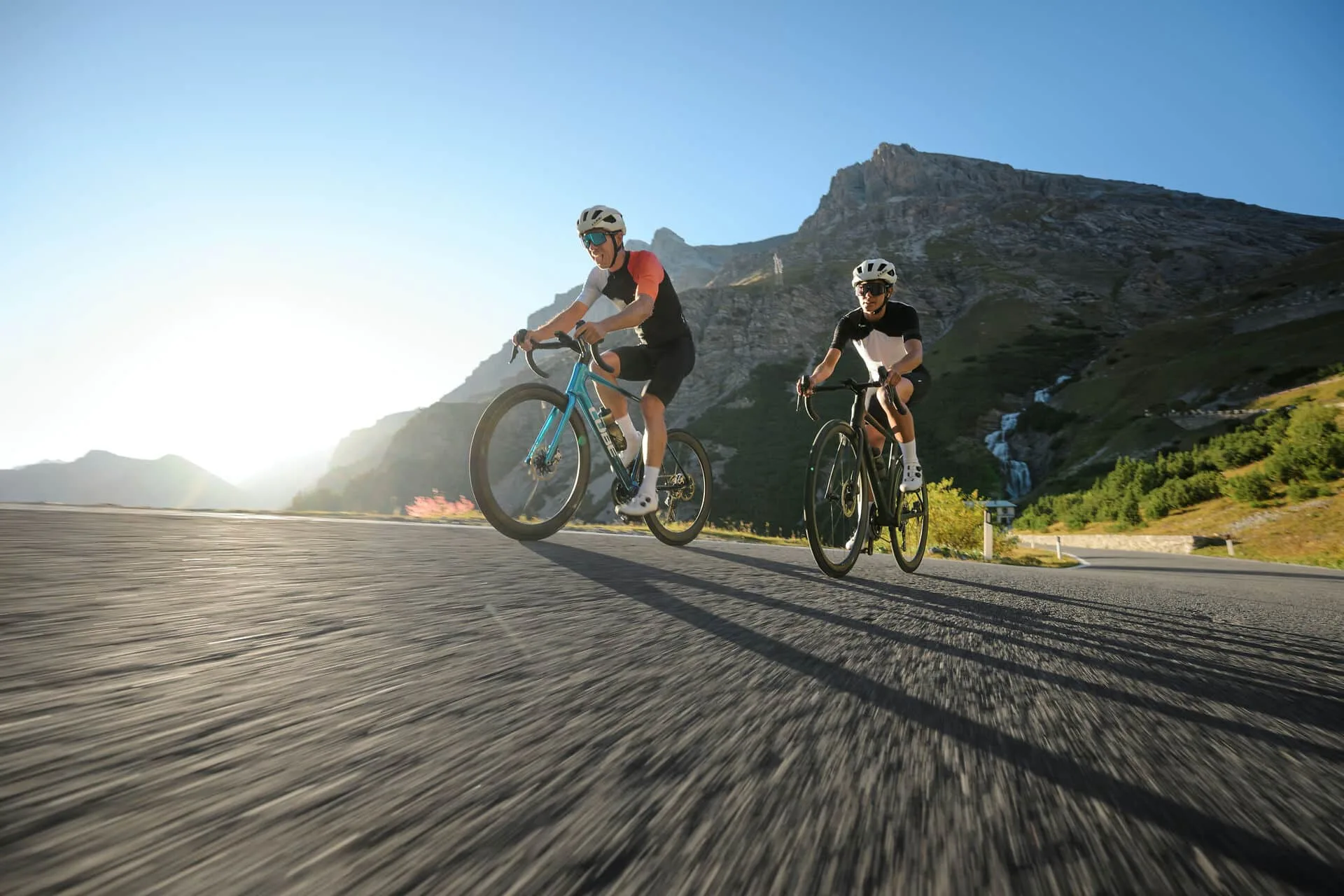
A bike ride in Ticino: how to choose and prepare the route
An itinerary should be chosen based on depth, distance, difference in altitude and conditions of the day. Use this list to prepare an exit in Ticino without relying solely on a…
Read the article
Used bike: what information to check before purchase
To choose a used bike counts the individual specimen, not just the model name. Here is what information to look for in the card and what questions to ask the seller.
Read the article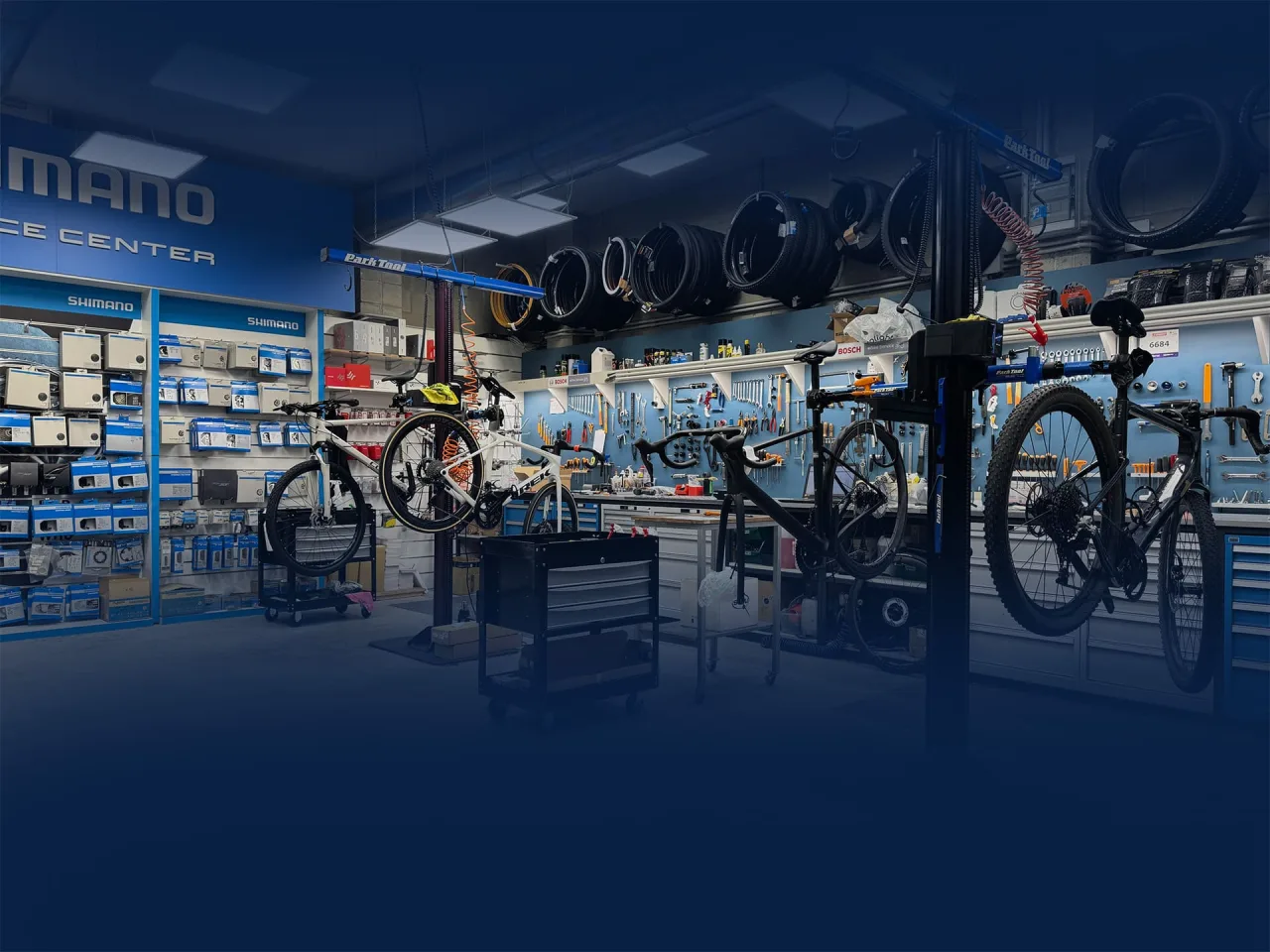
Care of the e-bike: daily checks and workshop assistance
An e-bike requires attention both to the bicycle and to the instructions of its electrical system. It distinguishes the controls used by the interventions to be entrusted to the…
Read the article