

The cold changes the behavior of e-bikes: the battery makes less, the assistance may seem less ready and the range falls especially when cold battery parts and you do routes with many restarts. It's not a defect: it's the way the batteries behave at low temperatures.
The key point is to distinguish between a loss of physiological properties and an abnormal decrease. In winter it is normal to see a reduction in autonomy; it becomes suspicious if the decrease is sudden, very marked, or if error messages or shutdowns appear. In those cases it makes sense to make a diagnosis, because software, sensors and battery state affect the perceived yield.
Practical management also helps. If you can, avoid leaving the battery in very cold environments for hours before leaving; starting with battery at moderate temperature makes the delivery more stable. The same applies after the output: it dries well contacts and zones exposed to water, because persistent humidity is a silent enemy.
Another aspect often overlooked is the tyre pressure: with low temperatures, the pressure can decrease and increase rolling resistance. It does not eat battery alone, but adds effort: more friction, more consumption, more feeling of reduced autonomy.
Simple things that really help in winter
- keep the battery indoors and mount it just before leaving (when possible)
- Drys battery/contact after rain and washes, without using sprays
- controls tire pressure more often than usual
- avoid leaving the bike wet in very cold environments for hours
- if errors or shutdowns appear, better make diagnosis instead of living with the problem
If you need control or assistance, Doctorbike is at your disposal: in the presence of abnormal behaviors, a technical check avoids random attempts (and often resolves first).
More articles
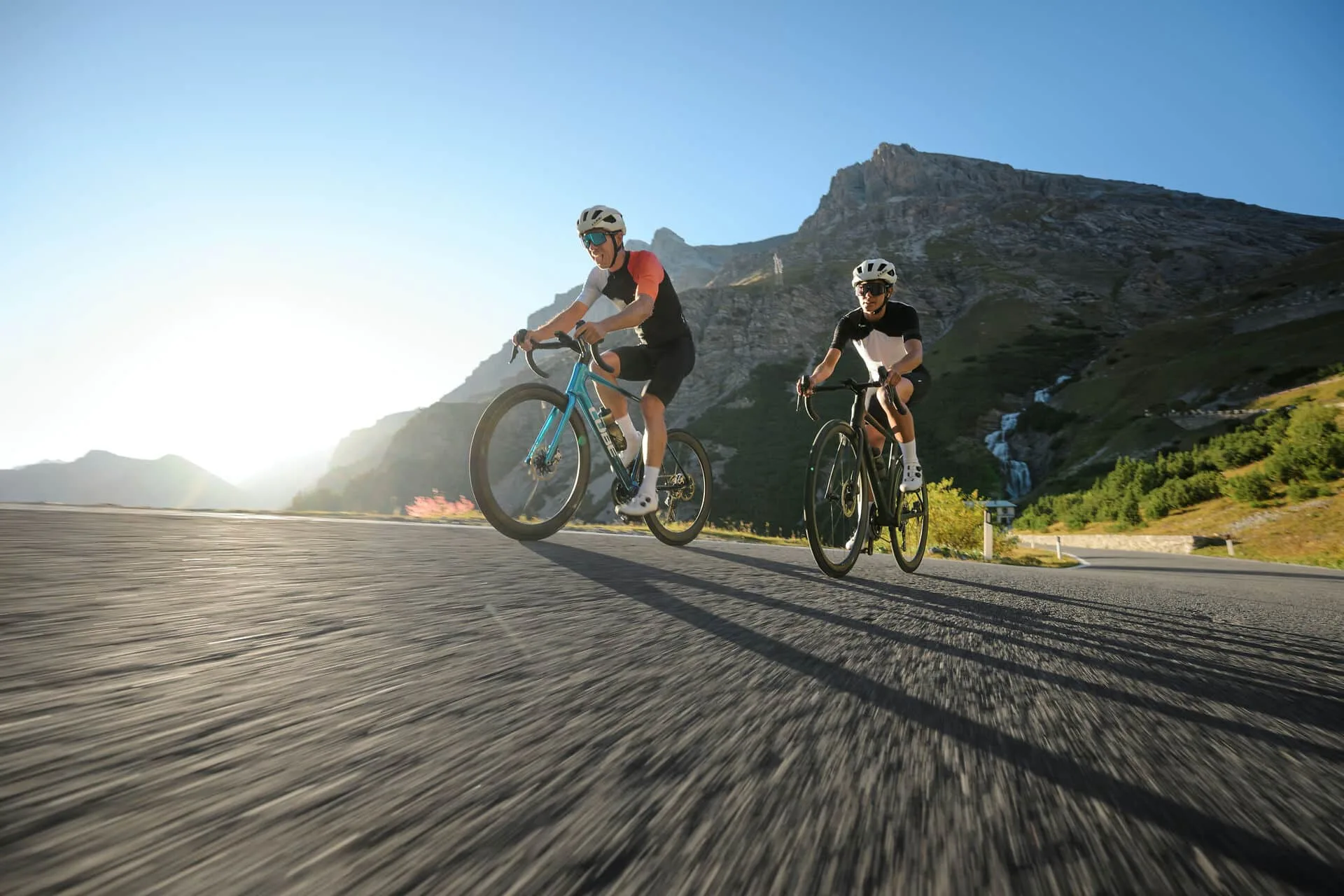
A bike ride in Ticino: how to choose and prepare the route
An itinerary should be chosen based on depth, distance, difference in altitude and conditions of the day. Use this list to prepare an exit in Ticino without relying solely on a…
Read the article
Used bike: what information to check before purchase
To choose a used bike counts the individual specimen, not just the model name. Here is what information to look for in the card and what questions to ask the seller.
Read the article
Care of the e-bike: daily checks and workshop assistance
An e-bike requires attention both to the bicycle and to the instructions of its electrical system. It distinguishes the controls used by the interventions to be entrusted to the…
Read the article