
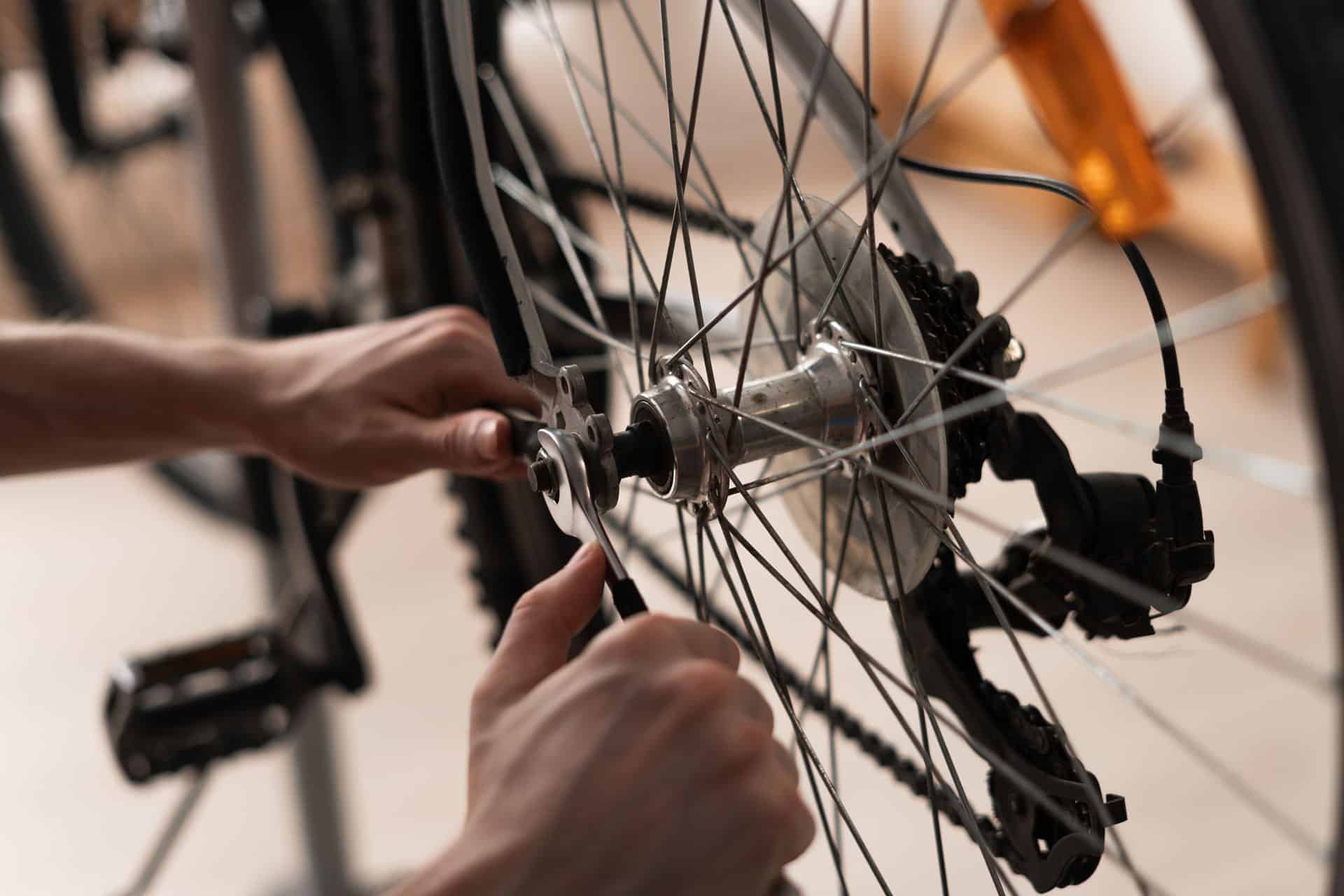
March is the month when the bike returns to work for real. They increase kilometers and speed, and what in winter seemed to be just a little noise is becoming a limit: brakes that bite less, changed that jumps under load, tires that do not give confidence on the wet.
The first theme is safety. If the brake lever is longer, if you feel vibrations or if braking is discontinuous, it's time to check the wear of the pads and the state of the discs. In winter it's easier to contaminate the surfaces (spray, oils, fine dirt), and this can make you lose power and modularity.
Then there is the transmission. Chain and sprockets work as a team: if the chain is consumed or very dirty, it accelerates the wear of the rest. In March, when you start pushing again, the jumps become evident. A control on the chain and a cleanliness done well often solve half of the perceived problems.
Finally the tires: after months of cold can appear micro-cracks, cuts or hardening. If you use tubeless, March is also a good time to check the sealant: if it's dry, the microholerations don't close anymore and you find yourself stopping when you least expect it.
When you need it, a specialised workshop such as that of Doctorbike can manage controls and interventions (change recordings, brake purges, replacements, in-depth checks). The important thing, in the informational perspective, is not to wait for the failure to fall: maintenance at the beginning of the season reduces unexpected events in the first long exits.
A spring checklist that applies to almost every bike
- brakes: pads, discs, possible purge and cleaning targeted
- transmission: chain wear, smoothness, gear recording
- tyres: correct pressure, cuts/cracks, tread condition
- bolts: main clamps (handlebar attachment, saddle, pedals)
- tubeless (if any): sealant still active and thalloning ok
More articles
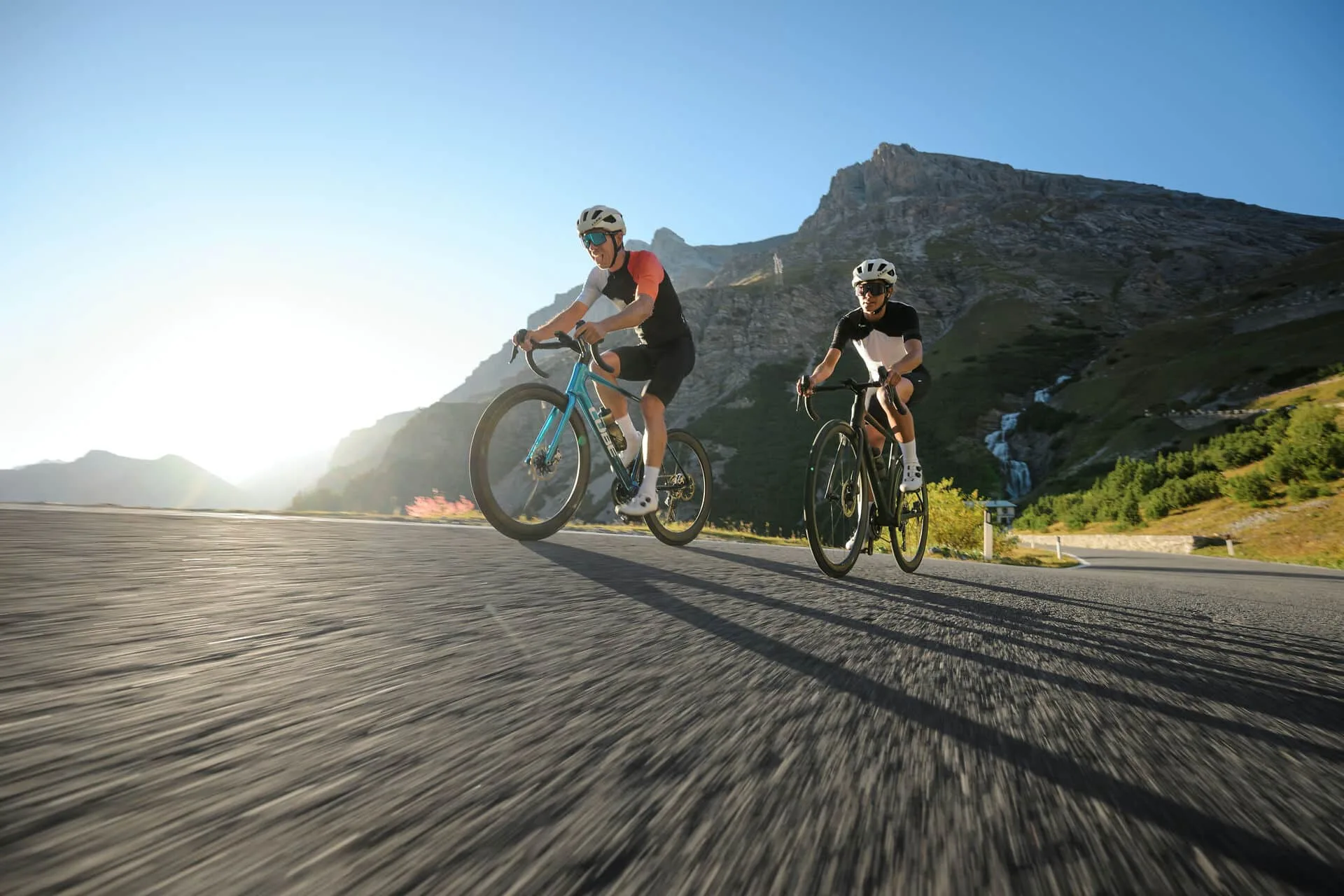
A bike ride in Ticino: how to choose and prepare the route
An itinerary should be chosen based on depth, distance, difference in altitude and conditions of the day. Use this list to prepare an exit in Ticino without relying solely on a…
Read the article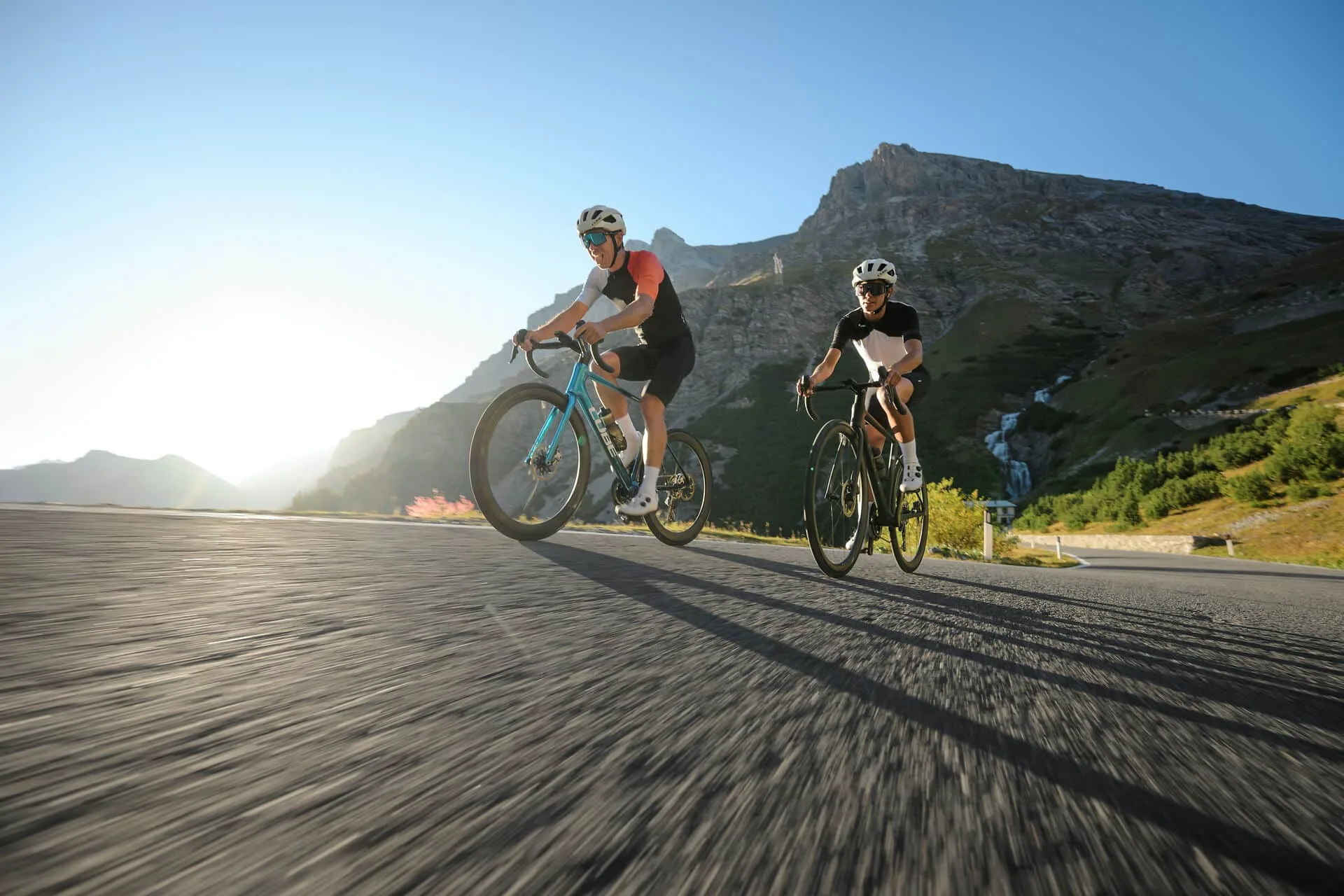
Used bike: what information to check before purchase
To choose a used bike counts the individual specimen, not just the model name. Here is what information to look for in the card and what questions to ask the seller.
Read the article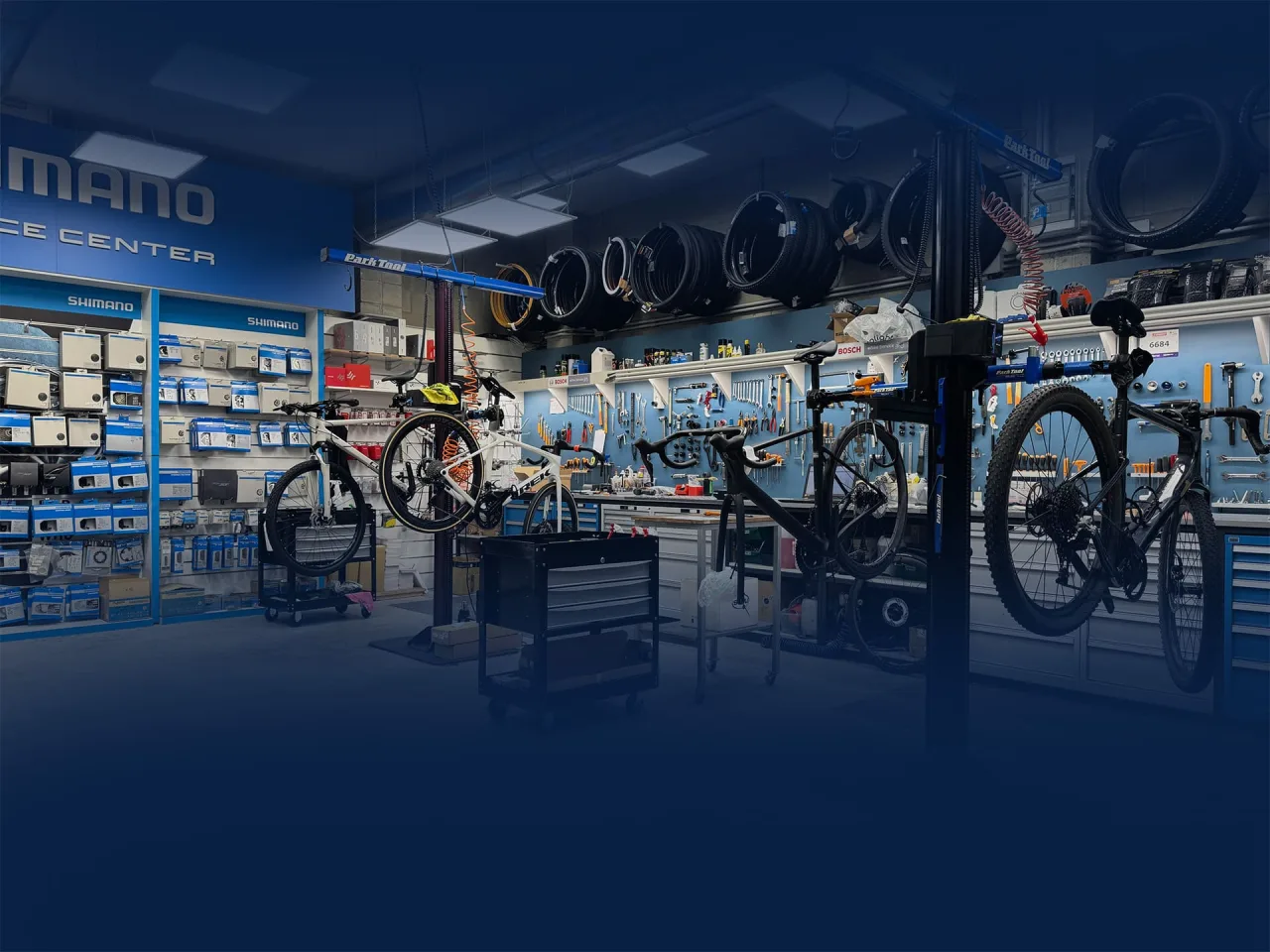
Care of the e-bike: daily checks and workshop assistance
An e-bike requires attention both to the bicycle and to the instructions of its electrical system. It distinguishes the controls used by the interventions to be entrusted to the…
Read the article