
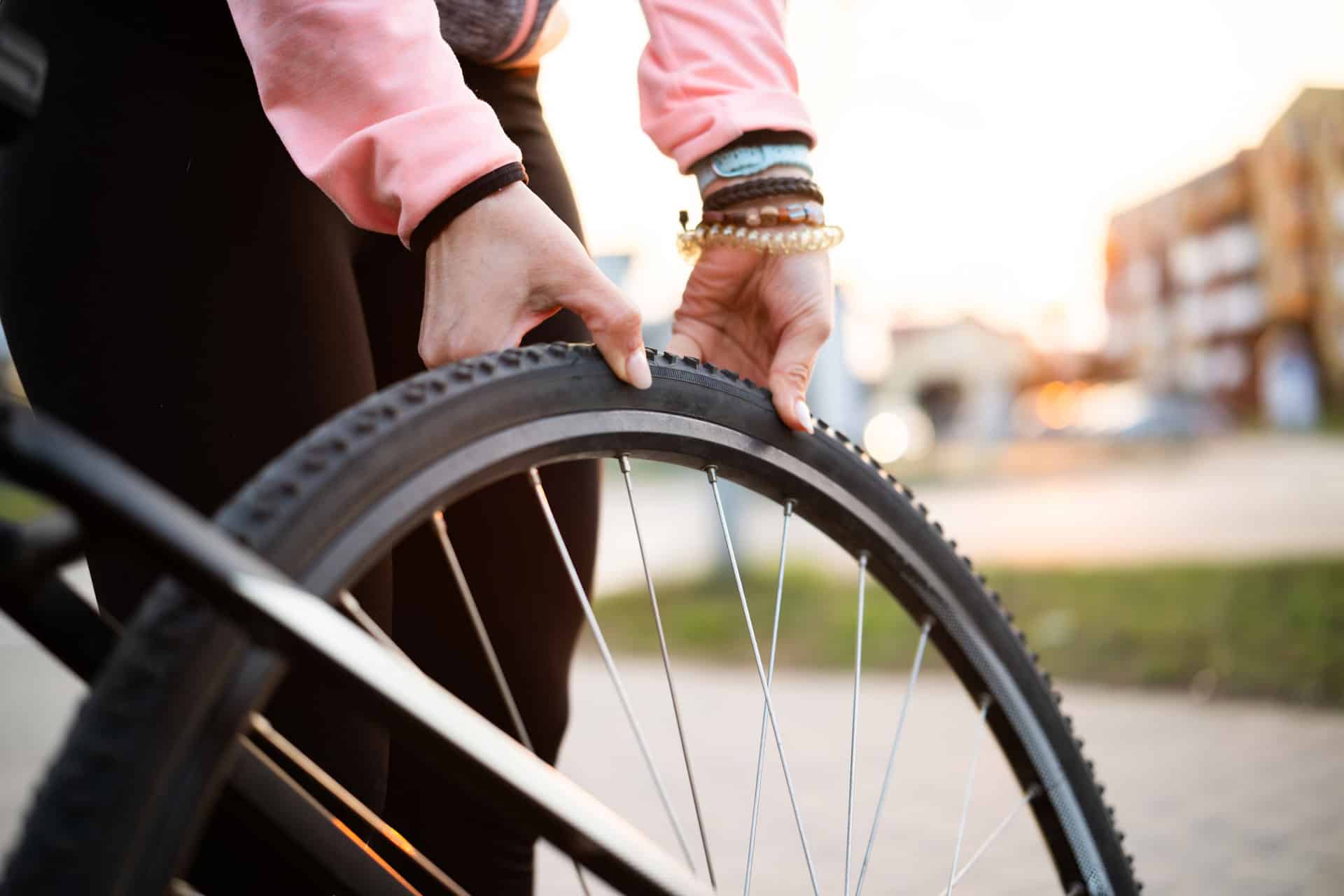
With March the conditions change: alternate cold and humid asphalt, dryer days, dirty traits are post-winter and maybe the first dirt if you do gravel. It's the time when tires make the difference more than you think, because they affect comfort, grip and risk drilling.
The choice of rubber is not only smooth or dotted. It counts the mixture (which at low temperatures can stiffen), the carcass (more or less robust) and the section. Often in March it is better to prefer a balanced set-up: quite sliding, but with protection and kept on wet. If you use the bike even in the city, it also evaluates the resistance to punctures: the road mantle during this period can hide debris.
The pressure is the most immediate regulator. Too much pressure reduces comfort and can worsen grip on wet; too little increases risk pinches (with room) or instability. With tubeless you have more margin of comfort and traction, but you need the system to be maintained well (valves, sealant, thalang).
A useful step, especially when returning to longer rides, is to rethink your puncture kit: include an inner tube, tyre levers, a mini-pump or CO₂ and, for tubeless tyres, repair plugs and a small insertion tool. These details can turn a ride-ending problem into a 5-minute stop before setting off again.
Three practical adjustments that help immediately in spring
- choose a pressure consistent with weight, path and rubber section (not memory)
- controls wear and micro-cuts before lengthening km (better prevent)
- update the drilling kit according to your system (camera vs tubeless)
More articles
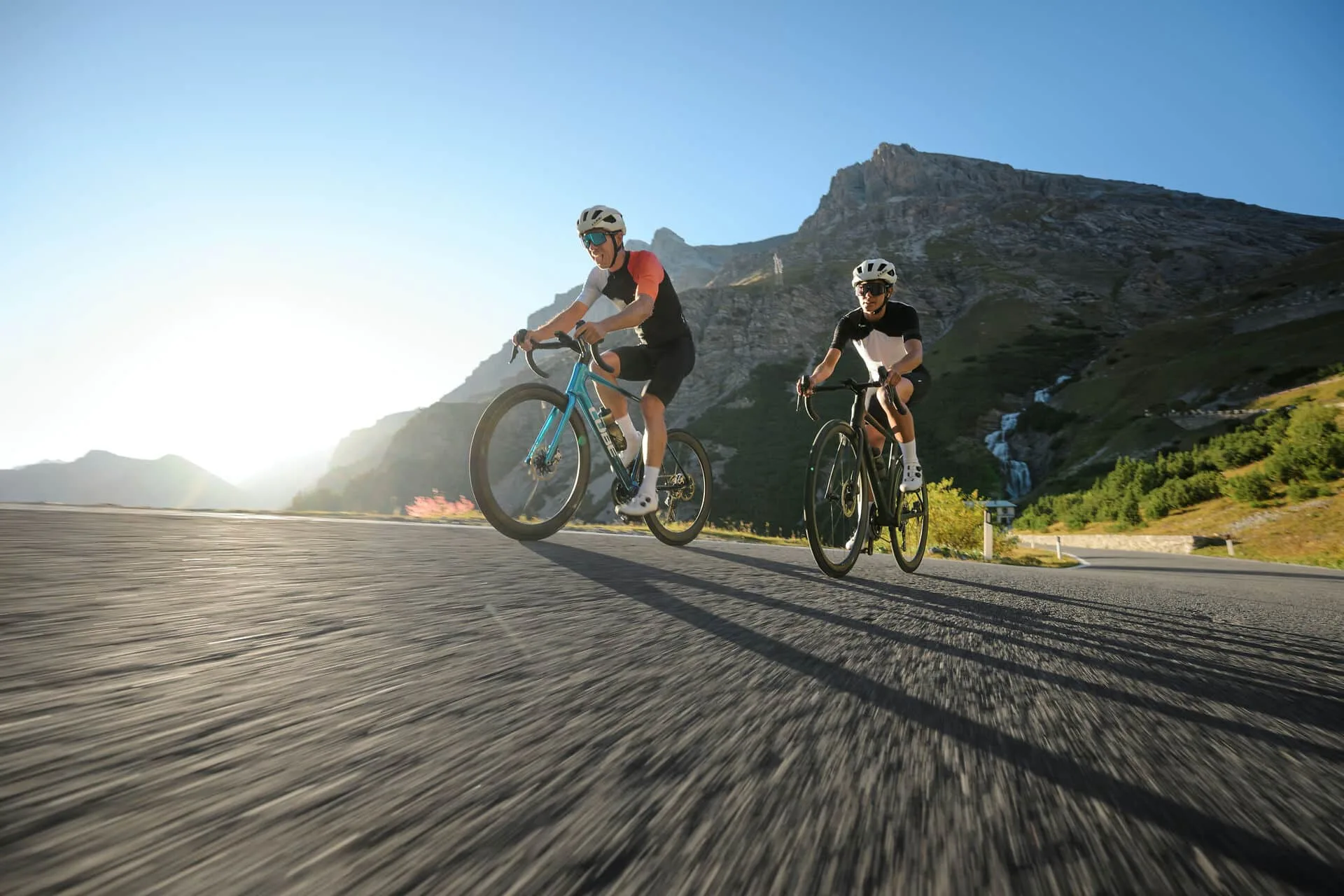
A bike ride in Ticino: how to choose and prepare the route
An itinerary should be chosen based on depth, distance, difference in altitude and conditions of the day. Use this list to prepare an exit in Ticino without relying solely on a…
Read the article
Used bike: what information to check before purchase
To choose a used bike counts the individual specimen, not just the model name. Here is what information to look for in the card and what questions to ask the seller.
Read the article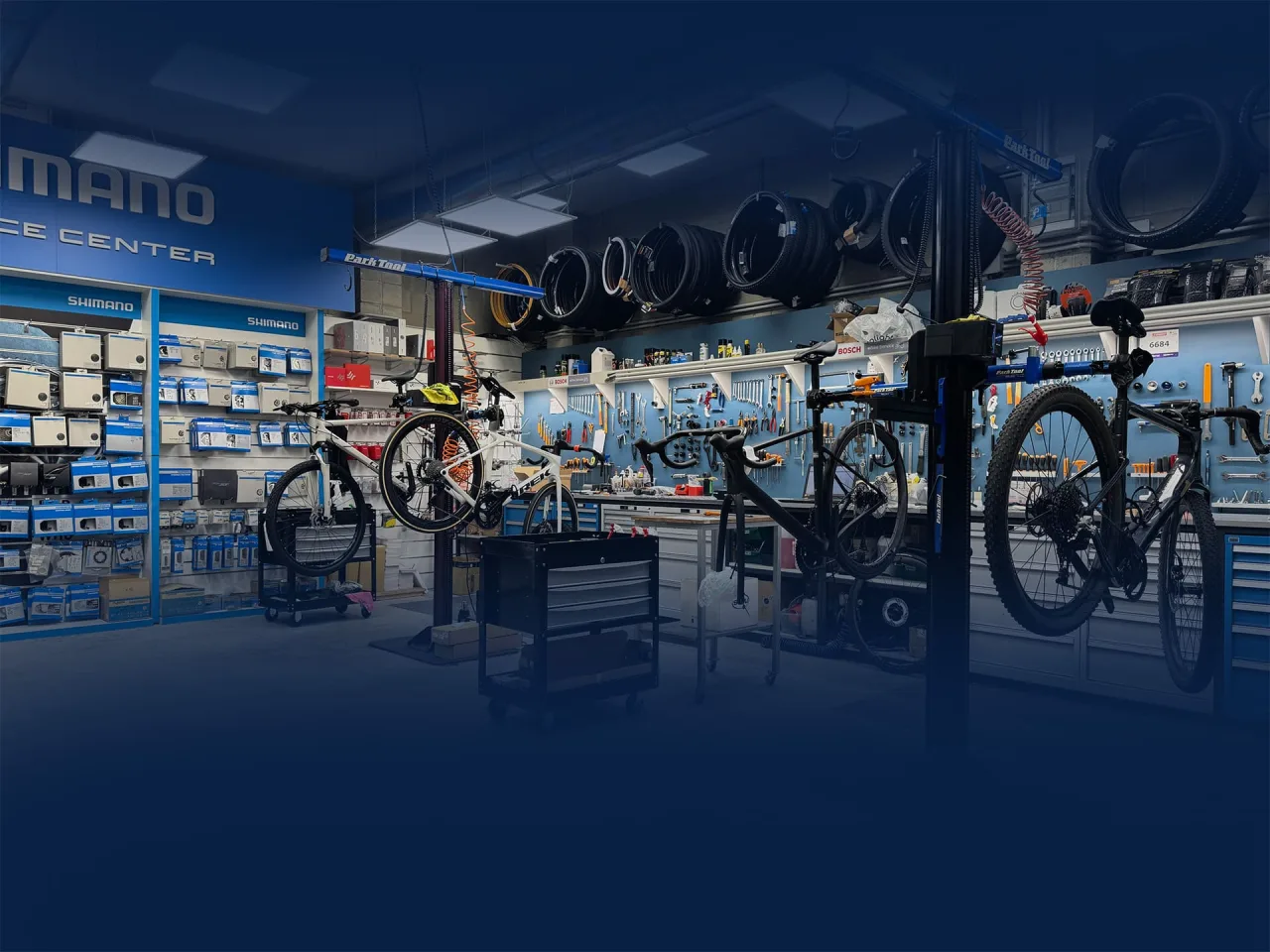
Care of the e-bike: daily checks and workshop assistance
An e-bike requires attention both to the bicycle and to the instructions of its electrical system. It distinguishes the controls used by the interventions to be entrusted to the…
Read the article