
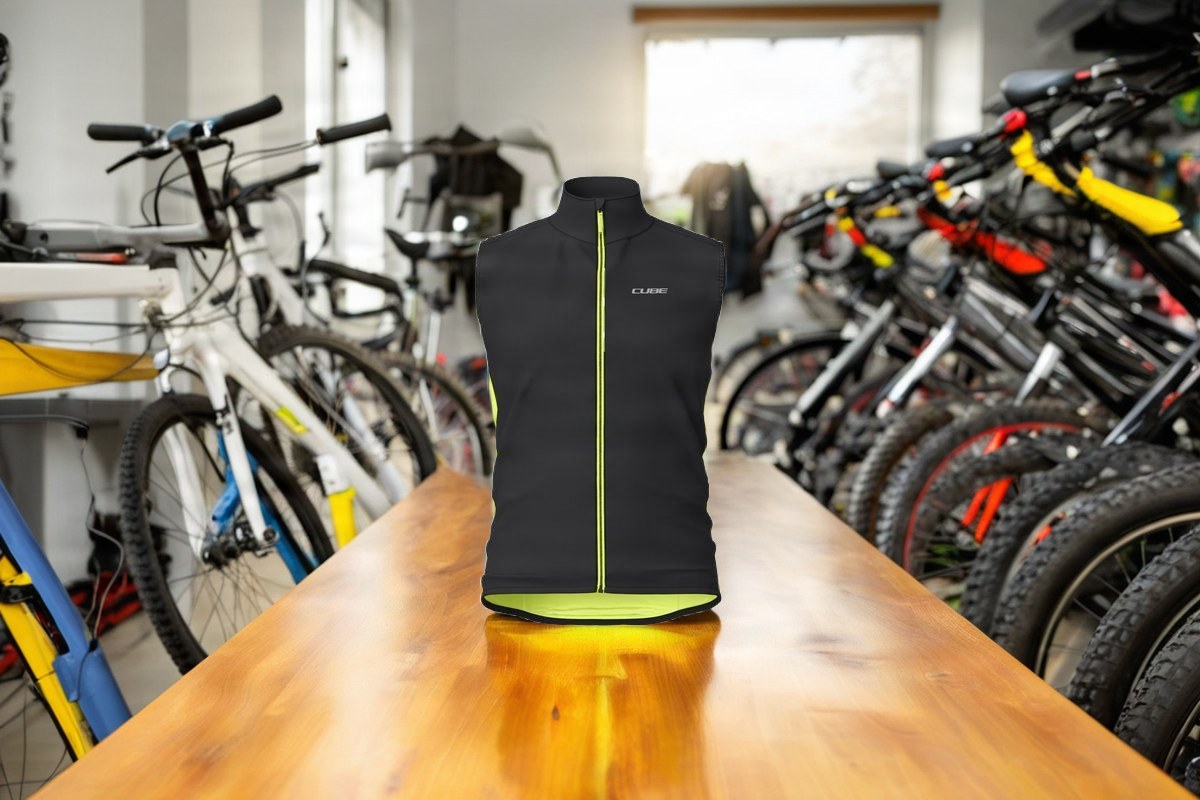
Autumn is the most difficult season for bikers. In the morning it's cold, at midday the sun warms, and downhill the cold wind enters you everywhere if you're not well equipped. You don't need to buy the whole store: you need to understand how the layered system works and adapt it to your exits.
The layered system: the basis of everything
Dressing well in autumn doesn't mean putting on a heavy jacket and so on. It means building layers that work together: one in contact with the skin that manages sweat, an intermediate that heats, one outside that repairs from wind and humidity. The advantage is that you can remove or add pieces depending on how the temperature changes during the round.
Basic layer: the technical underwear
Under the jersey you always need a technical underwear, never cotton. Cotton keeps your sweat and when you stop or face a descent it cools you immediately, with the risk of getting cold in the back. A long or short sleeved underwear, depending on the temperature, keeps the skin dry and makes you start with the right foot.
Intermediate layer: the mesh
A fall cycling jersey, often with a slightly heavier panel on the chest and more breathable fabric on the back, is the heart of the system. If the temperature is still mild you can match it to a vest, if it goes down you can switch to a warmer long sleeve jersey.
Outer layer: windproof vest or jacket
Here you play the real game. A windproof vest protects the chest from the bursts without overheating in the ascents, while a more complete windproof jacket, like the proposals of the line Mille GT of Assos, offers an all-round protection designed for those who often pedal in mixed conditions, between dry cold and humidity. The choice between vest and jacket depends on your route: if you expect long descents or wind in the face, the jacket makes the difference.
Hands, feet and head: where the cold is first felt
The extremities are the part of the body that suffers most from cold cycling, because they receive less blood flow and are the first to cool with the relative wind generated by speed.
Winter cycling gloves
An autumn glove must isolate from the wind while maintaining a good sensitivity on the brake and gear controls. The models designed for this season, like the proposals of gloves Assos dedicated to the half period, combine an windproof fabric on the back with a palm that guarantees safe grip even with slightly sweaty hands. If your hands are particularly cold, evaluate a model with extra light padding, but without exaggerating: a glove too often makes you lose sensitivity on the brakes.
Overshoes
The feet remain firm on the pedals and take direct wind for hours: a light shoe cover, even just windproof without heavy padding, radically changes the comfort of the coolest exits. On colder days or rainy it is better to switch to a more covering model.
Under-shelf and headgear
A light under-shell protects ears and front from the wind without weighing down the head under the helmet. It is one of the most underrated and cheapest accessories to have always in the back pocket of the shirt, ready for use when the temperature drops suddenly.
How to adjust to temperature
There is no universal rule, because everyone perceives the cold differently, but this table gives you a starting point to adapt to your feelings.
| Approximate temperature | Recommended Strategies |
|---|---|
| Above 15 degrees | Short or long sleeve jersey, leggings or shorts, light gloves |
| 10-15 degrees | Technical underwear, long sleeve jersey, windproof vest, half season gloves |
| 5-10 degrees | Technical underwear, knit, windproof jacket, winter gloves, lightweight shoe cover |
| Below 5 degrees | Double underwear, winter jacket, upholstered winter gloves, covering shoes cover, underches |
Errors to avoid
- Leave with too many layers and get soaked in sweat after ten minutes
- Use cotton underwear under technical knit
- To neglect hands thinking that they warm up pedaling: the wind cools them anyway
- Do not bring with you a vest or a folding undercarriage even when you leave with the sun
- Choose a jacket that is too wide or too tight, which does not isolate well to the wrists and neck
When it's best to stop by the store
If you have doubts about the right size or what combination of layers works best for your pedaling, in the shop we can help you try different clothes and figure out what you really need without buying duplicates that then stay in the closet. And if you are preparing your bike for the cold season, remember that maintenance also counts: brakes and gearboxes should be checked more often when you pedal with rain and moisture.
Frequently asked questions
Better the vest or the windproof jacket for autumn?
Depends on the type of output: the vest is more versatile for mild temperatures and routes with ascents, the windproof jacket protects more on long descents, strong wind or when the cold is more intense and constant throughout the lap.
How do I know if the winter gloves are too heavy?
If you struggle to operate brakes and change accurately, or feel numb fingers even at rest, the glove is too often or the size is incorrect: the sensitivity on the controls must remain good even with the cold.
Do you really need the undercast even if it doesn't get so cold?
Yes, because the relative wind generated by the speed cools head and ears much more than the real air temperature: a light helmet protects without overheating and is convenient to remove if the heat increases.
More articles
A bike ride in Ticino: how to choose and prepare the route
An itinerary should be chosen based on depth, distance, difference in altitude and conditions of the day. Use this list to prepare an exit in Ticino without relying solely on a…
Read the article
Used bike: what information to check before purchase
To choose a used bike counts the individual specimen, not just the model name. Here is what information to look for in the card and what questions to ask the seller.
Read the article
Care of the e-bike: daily checks and workshop assistance
An e-bike requires attention both to the bicycle and to the instructions of its electrical system. It distinguishes the controls used by the interventions to be entrusted to the…
Read the article